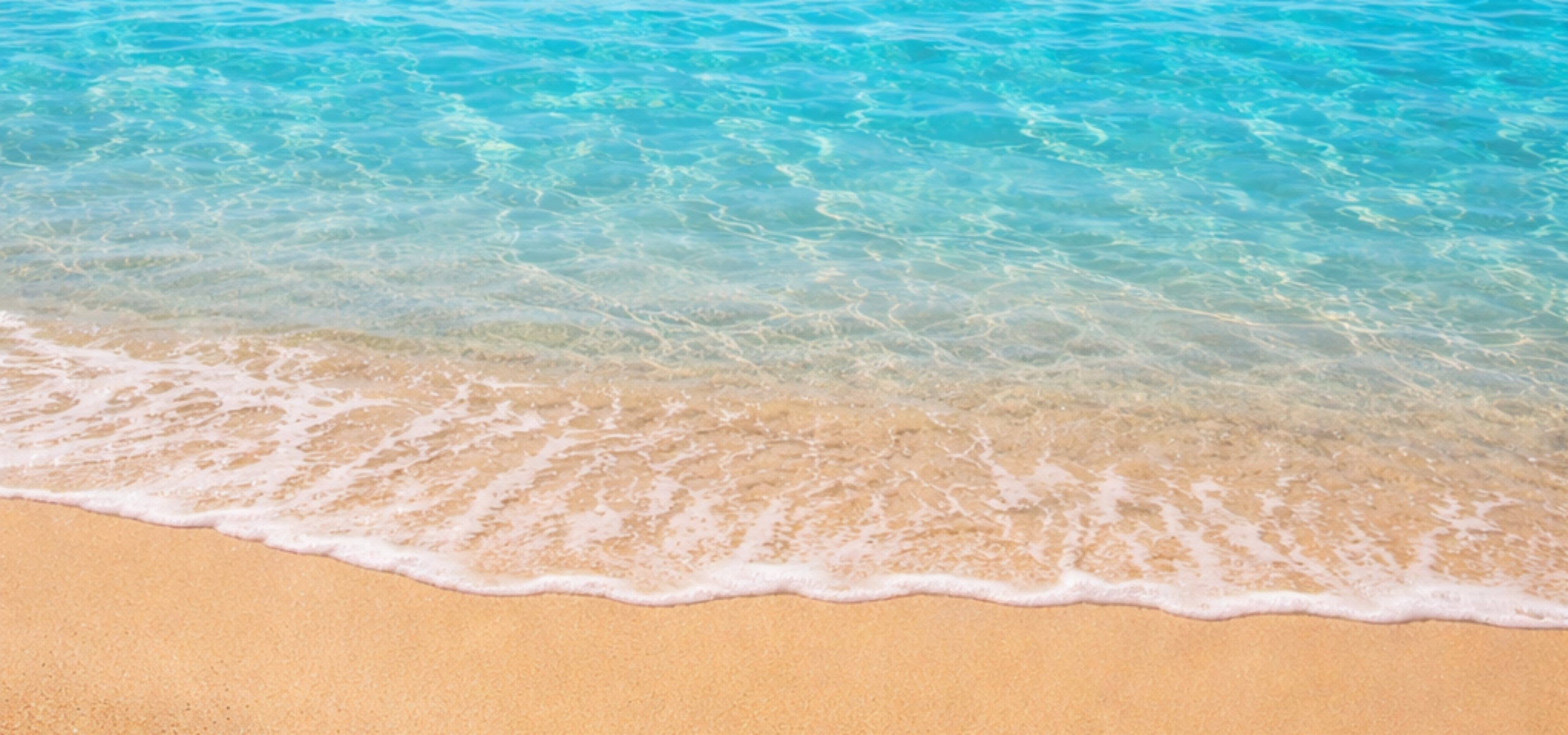
Crete is the largest island in Greece and one of the most diverse destinations in the Mediterranean. From stunning beaches and historic towns to mountain villages and ancient ruins, the island offers endless experiences.
Whether you’re visiting for a few days or a full week, here are the top things to do in Crete for an unforgettable holiday.
Explore the Old Town of Chania
Chania is often considered the most beautiful town in Crete. Its Venetian harbor, colorful buildings, and narrow alleys create a romantic and historic atmosphere.
What to do in Chania:
- Walk around the old harbor
- Visit the lighthouse
- Explore local shops and cafés
- Enjoy dinner by the sea
Chania is perfect for evening walks and relaxed city exploration.
Visit the Palace of Knossos
Located near Heraklion, the Palace of Knossos is the most famous archaeological site in Crete. It was the center of the ancient Minoan civilization, one of the oldest in Europe.
Why visit:
- Learn about the myth of the Minotaur
- Explore ancient palace ruins
- Discover Minoan history and culture
It’s a must-see for history lovers.
Swim at Balos Lagoon
Balos Lagoon is one of the most photographed beaches in Greece. Its shallow turquoise waters and white sand create a tropical landscape.
What makes it special:
- Unique lagoon setting
- Crystal-clear water
- Amazing photo opportunities
You can reach Balos by boat or by car and a short hike.
Hike the Samaria Gorge
The Samaria Gorge is one of the longest gorges in Europe and one of the most famous hikes in Greece.
Hike details:
- Length: about 16 km
- Duration: 5–7 hours
- Starting point: Omalos Plateau
- Ending point: Agia Roumeli village
It’s a memorable experience for nature lovers and active travelers.
Relax on the Beaches of South Crete
The southern coast of Crete is quieter and more natural than the north. It’s perfect for peaceful beach days and authentic experiences.
Popular beaches:
- Preveli Beach
- Triopetra
- Agios Pavlos
- Plakias
These areas offer crystal-clear water and a relaxed atmosphere.
Visit the Old Town of Rethymno
Rethymno combines a beautiful old town with a long sandy beach. It’s a great place to experience traditional Cretan life.
Top experiences:
- Walk through the old town alleys
- Visit the Fortezza fortress
- Enjoy sunset at the Venetian harbor
- Relax on the beach
Taste Authentic Cretan Food
Cretan cuisine is one of the healthiest and most delicious in the Mediterranean.
Must-try dishes:
- Dakos salad
- Moussaka
- Grilled lamb or goat
- Fresh seafood
- Local cheeses
Don’t forget to try local wine and raki.
Explore Traditional Mountain Villages
Away from the coast, Crete’s mountain villages offer authentic culture and peaceful surroundings.
Popular villages to visit:
- Archanes
- Anogeia
- Margarites
- Zaros
These villages are perfect for local food, crafts, and scenic drives.
Best Time to Visit Crete
- May–June: Great weather, fewer crowds
- July–August: Peak season, lively atmosphere
- September–October: Warm sea, relaxed vibe
Where to Stay in Crete
Crete offers a wide range of accommodations, from seaside apartments to traditional villas in quiet villages.
Choosing the right location can make your trip more enjoyable. Staying in central areas like Rethymno or Chania allows easy access to beaches, historic sites, and day trips.
Booking directly with local accommodations often gives you better prices and more personal service.